AI customer retention training software to practice difficult renewal and churn conversations
Want to hear how CSMs handle at-risk renewals? Hover over — it's a real one!
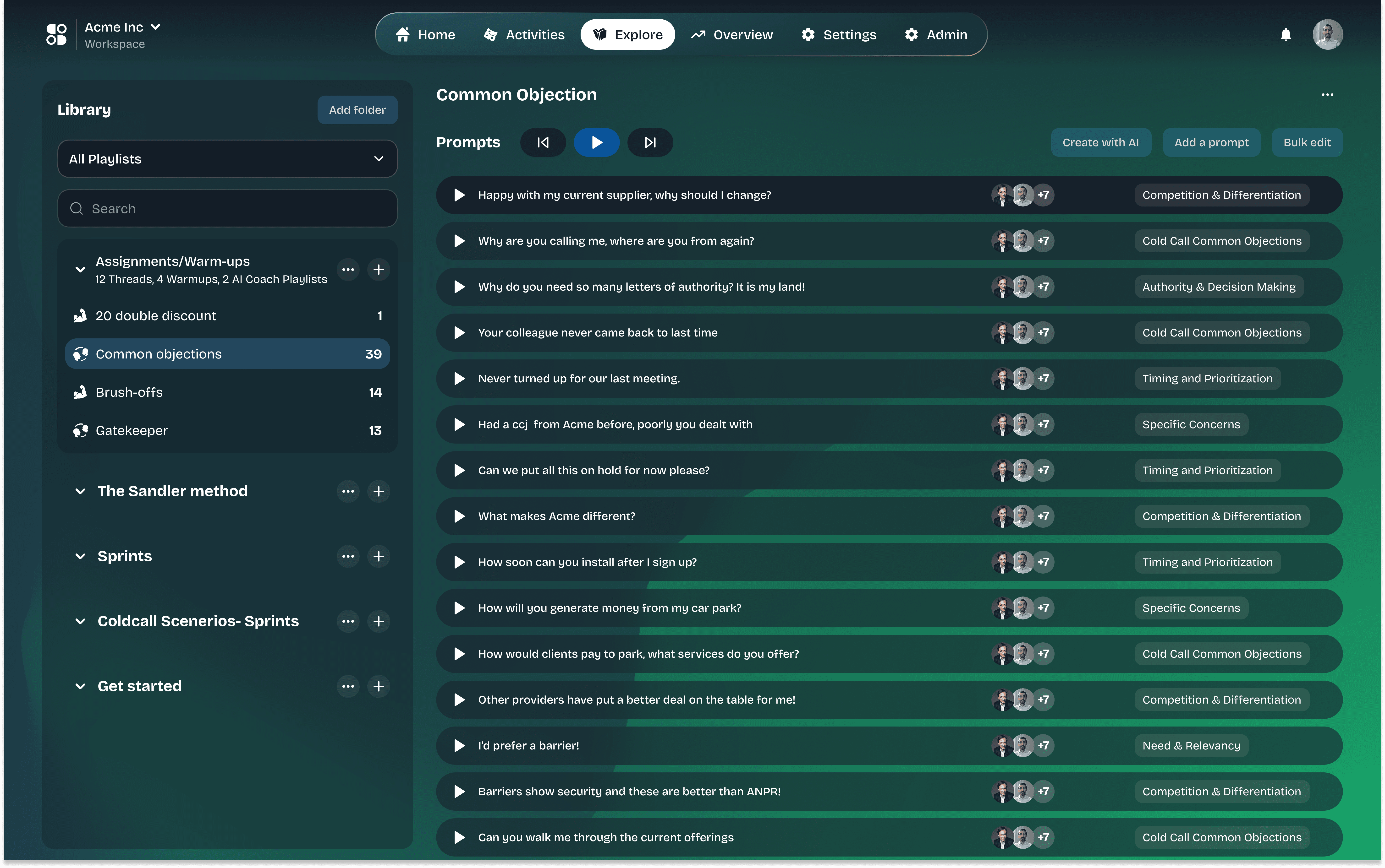
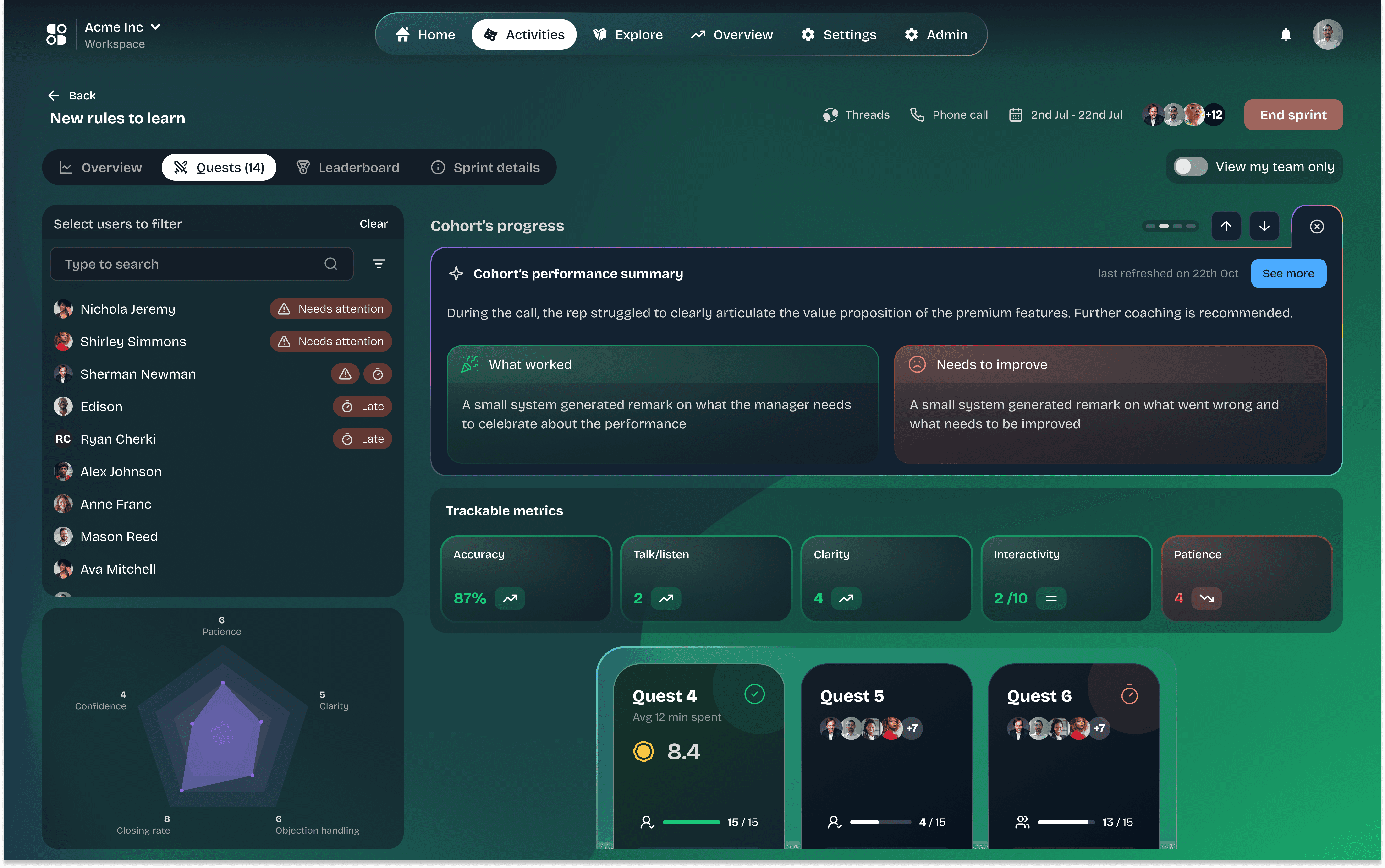
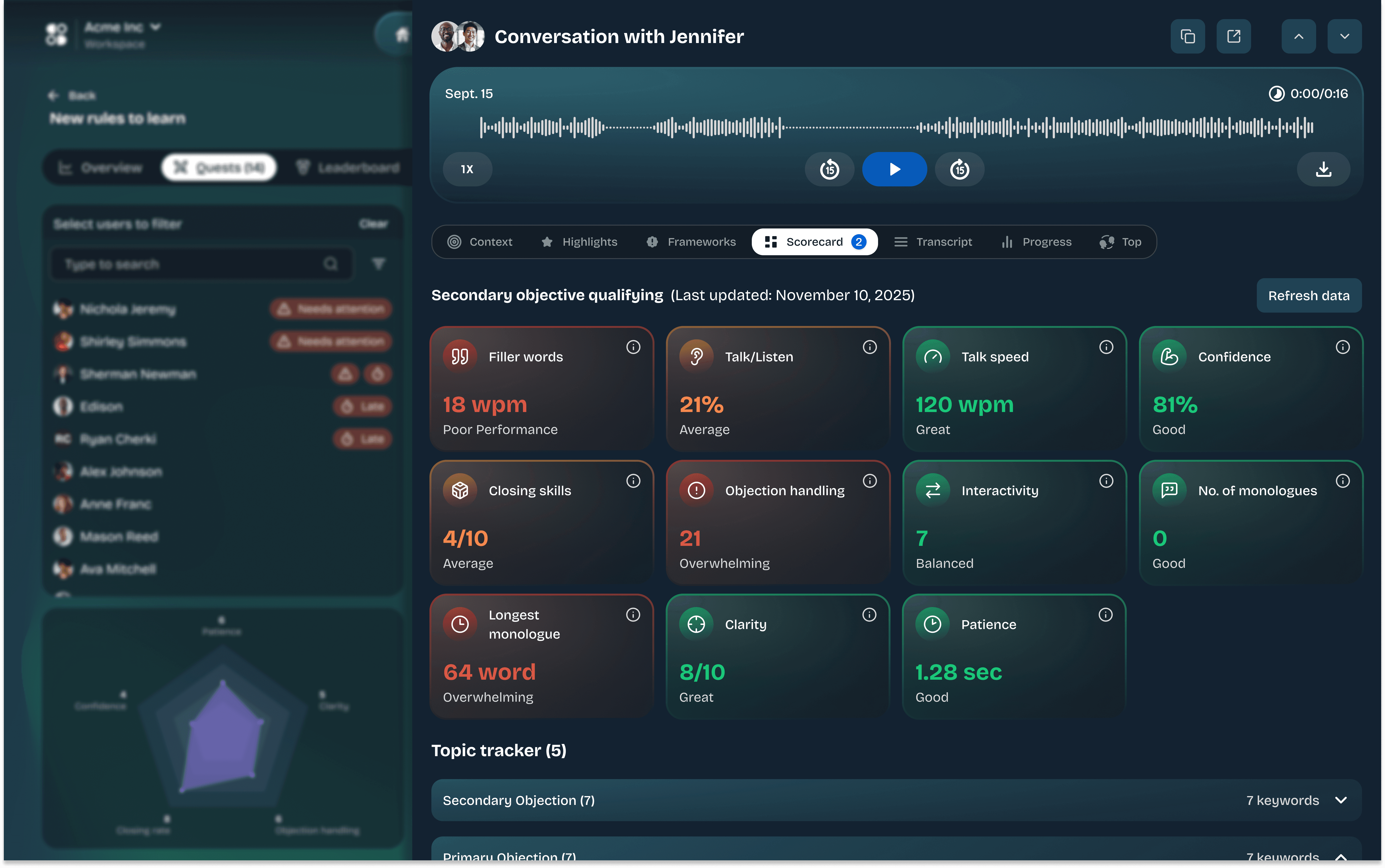
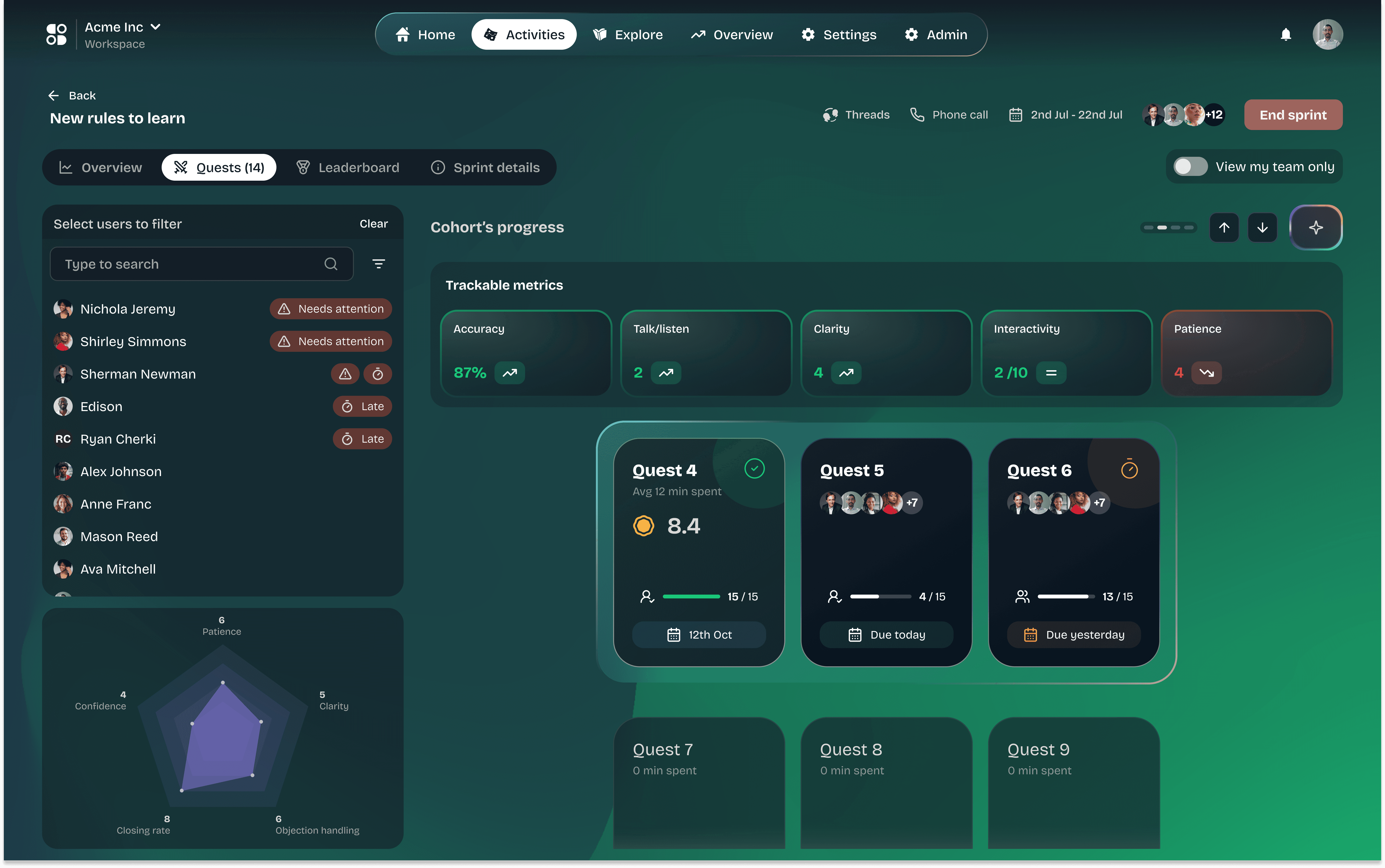
Repetition against realistic renewal pressure. Until "we're re-evaluating at renewal" stops ending the conversation and starts it.
The best retention teams aren't born. They're built through volume. Not 3 save calls a quarter — hundreds of simulated at-risk conversations before a real renewal is ever on the line. The pattern is simple: surface the real reason, reframe the value, hold the line on price — repeat until saving an account becomes reflex, not panic.

—Lost Revenue Breakdown—
Team size: 28 Full Cycle Sales Reps
SecondBody gives your account team AI-powered stakeholders who resist expansion, protect their budget, deflect to procurement, and say "we're happy with what we have" — so your team builds the instinct to grow accounts before real revenue is on the line.
Repetition against realistic customer resistance — renewal objections, competitor threats, budget cuts, champion turnover — until your team's retention instincts become automatic.
The best retention teams aren't built in QBRs. They're built through volume. Exposed to hundreds of at-risk scenarios before the real renewal hits. That's how you get CSMs who don't just manage accounts — they protect revenue.
Your retention team isn't losing accounts because of your product. They're losing them because they've never practiced saving one.
Most customer success teams get trained on product knowledge and process flows. But when a frustrated customer threatens to leave, product knowledge doesn't help. What helps is the instinct to de-escalate, re-anchor on value, and turn a cancellation into a commitment. That instinct only comes from repetition against realistic pressure — and your team has never gotten it.

Scenario-specific retention conversation practice
AI customers that threaten to leave, demand discounts, go silent
Instant coaching on empathy, urgency, and value reinforcement
Practice saving at-risk accounts before real revenue is on the line
Builds retention instincts, not just renewal knowledge
Dynamic scenarios: budget cuts, champion turnover, competitor threats
Tracks retention conversation quality, not just completion
Drives behavior change that protects recurring revenue
Typical Enablement
Generic retention playbooks that ignore account context
Call recordings reviewed weeks after the customer already left
Manager feedback arrives after the renewal is lost
No link between training and actual retention metrics
Can't simulate a customer threatening to cancel
Teaches renewal process, not how to save an account
Completion badges ≠ retention confidence
High cost, no impact on churn rate


vs
"We used to lose 15% of accounts at renewal. After SecondBody, our CSMs started having conversations we'd never trained them for — and our retention rate jumped 23% in one quarter."

Sarah M.
VP of Customer Success | B2B SaaS