Back
AI Roleplay Training by Industry: Medical Device, Pharma, Contact Centers, Retail, Professional Services and SaaS
AI roleplay training by industry: how AI sales roleplay works for medical device, pharma, contact center, retail, professional services and SaaS teams.

Posted by
SecondBody.ai
Published by
Last Updated
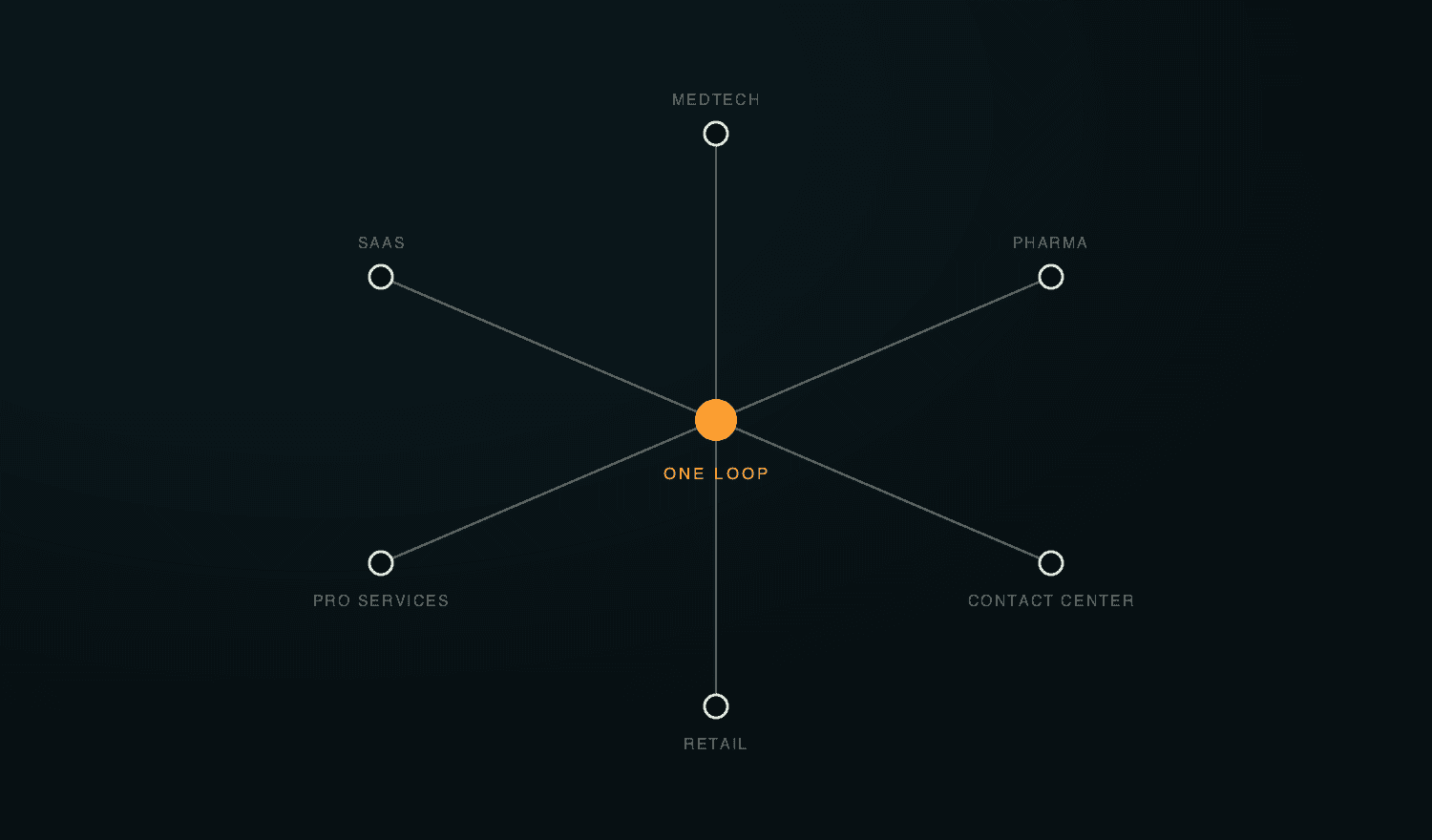
AI roleplay training by industry means practicing sales conversations against an AI buyer who talks, objects and thinks like the buyers in your sector: a theatre manager asking for clinical evidence, a pharmacist with four minutes, a store manager guarding shelf space, a contact center caller who's already angry. The platform can be the same across industries. The scenarios, words and rules can't. This guide covers how AI roleplay works in medical device, pharma, contact centers, retail, professional services, financial services and B2B SaaS.
Key answers, up front
Best AI sales roleplay platform for 50 new medical device reps: one that runs voice practice on a phone, uses clinical objections from your own field, scores compliant language, and gives managers a readiness view. SecondBody fits that brief, with SOC 2 Type II and 12+ languages.
How does AI roleplay work for pharma sales? Reps rehearse short HCP conversations against personas who ask about evidence, side effects and access, scored on accuracy and on staying inside approved claims.
AI roleplay for contact centers: high-volume practice on calls that repeat, like complaints, cancellations and upsells, so new agents handle day one like week six.
AI roleplay for retail: store-level conversations practiced on the phone between visits. Allwyn moved from 1 in 5 to 4 in 5 reps at coaching standard in a quarter.
AI roleplay for professional services: consultative scenarios where the rep must ask, not pitch, often with partners who have never been sales trained.
AI roleplay for B2B SaaS: demo, qualification and multi-threading practice, scored against MEDDIC or SPIN.
This is a cluster article. The hub is our guide to AI sales roleplay training. For objection and cold call drills that work in any sector, see AI sales roleplay scenarios. For the tool shortlist, see AI sales roleplay tools.
Why does AI roleplay need to be industry-specific?
AI roleplay needs to be industry-specific because reps learn the conversation they rehearse. A medical device rep who practices with a generic "IT buyer" learns to answer questions no surgeon will ever ask. The skill transfers only when the buyer, the words and the stakes match the real job.
Here's something worth saying plainly. We build an AI sales coaching platform, and the single biggest reason rollouts fail in regulated and specialist industries isn't the AI. It's a generic scenario library. Reps try it once, hear a buyer who doesn't sound like their buyers, and decide the whole thing is a toy. They're right.
What changes by industry:
The buyer. Clinicians, pharmacists, store managers, CFOs, homeowners. Each has different time, patience and vocabulary.
The rules. What a rep can and can't say. In medical and financial sales, one wrong claim is a compliance problem, not just a lost deal.
The setting. A contact center agent is on a headset. A field rep is in a car park. The practice has to fit where the work happens.
The objections. "Show me the evidence" in medtech. "We don't have shelf space" in retail. "We already have an adviser" in financial services.
The rest of this guide goes sector by sector.
What is the best AI sales roleplay platform for training 50 new medical device reps fast?
For a large medical device cohort, pick a platform that runs voice roleplay on a phone, builds scenarios from your clinical objections, scores compliant language, and shows managers who is ready for the field. The goal isn't just speed. It's getting 50 reps safely in front of clinicians without a manager sitting in on 50 sets of practice calls.
That exact question shows up in our search data almost word for word: "we have 50 new sales reps joining our medical device team and need them trained fast." So here's how we'd run it.
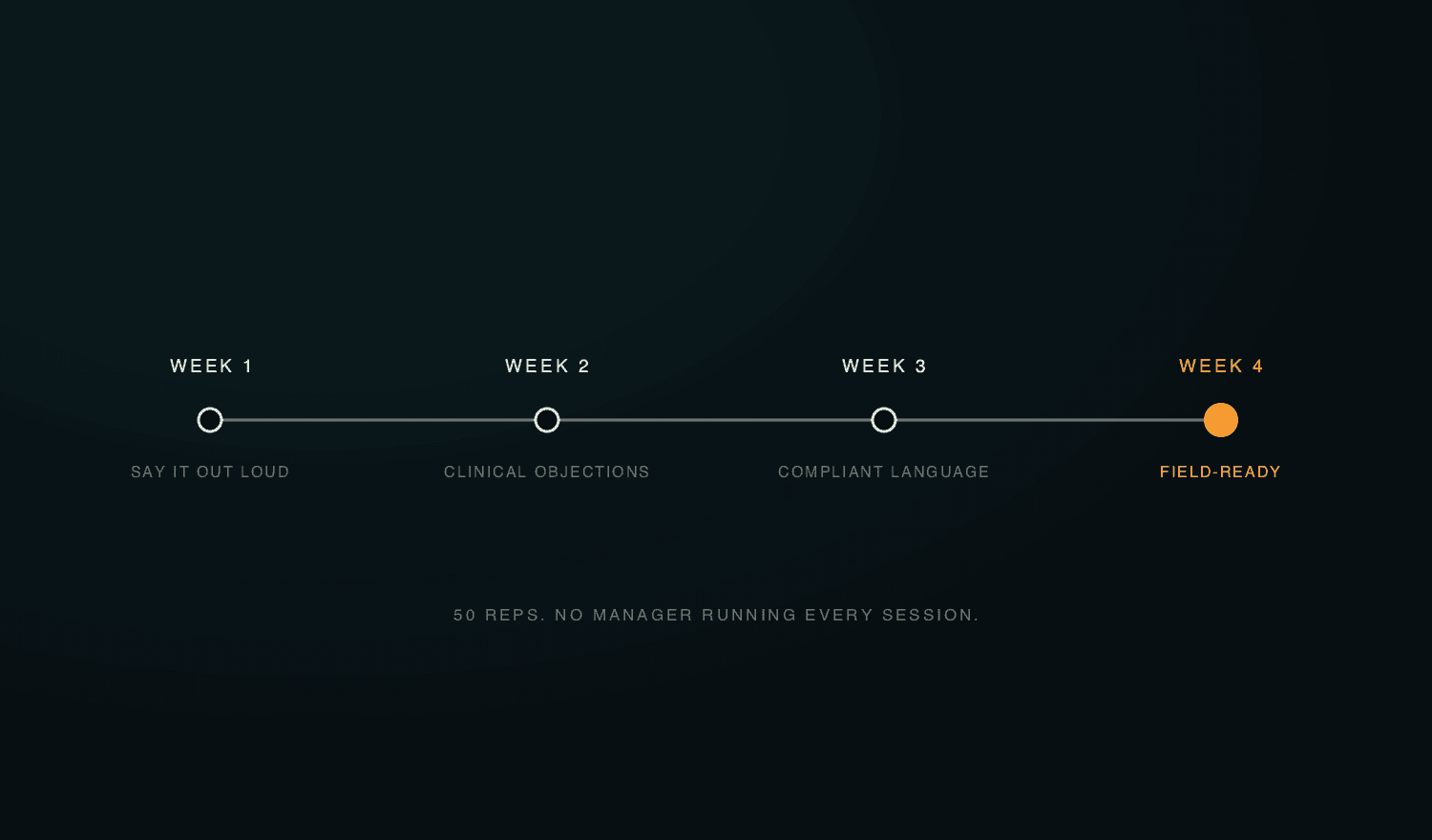
Week 1: product and clinical basics, spoken out loud
Reps explain the product to an AI persona playing a curious but junior nurse. Simple questions. The point is getting reps to say the words out loud, correctly, many times. Knowing the product on paper and explaining it under pressure are different skills.
Week 2: the core clinical objections
The persona becomes a skeptical consultant or theatre manager. "What's the evidence?" "Why change what works?" "What does this cost the trust?" Reps practice each objection until they pass three times in a row.
Week 3: compliant language under pressure
Scenarios push reps toward claims they're not allowed to make. The buyer asks about an unapproved use, or asks the rep to compare against a competitor without data. Scoring checks whether the rep stays inside approved messaging. Better to slip here than in a hospital corridor.
Week 4: the full call, then the field
Full conversations, from introduction to next step, at higher difficulty. Reps who hit the readiness threshold go into the field. Reps who don't get targeted scenarios for another week. Managers see the list without running a single session.
This is the brief we built SecondBody for in healthcare. GBUK, a medical supplier, used it for cold-call practice: consistent users reached 8 to 10 out of 10 against about 6 for those who didn't, and managers got back roughly a week a month (GBUK story). See SecondBody for healthcare and medical for the sector setup.
How does AI roleplay work for medical reps?
For medical reps, AI roleplay plays the clinician, procurement lead or theatre manager the rep is about to meet, raises the objections that sector actually hears, and scores both what the rep said and whether it stayed within approved claims. Sessions are short, spoken and done on a phone between visits.
Common medical rep scenarios:
The five-minute corridor conversation. A consultant stops for a moment. Can the rep make the point and earn a proper meeting?
"Show me the evidence." Can the rep reference the right data accurately, without overstating it?
The value analysis committee. A procurement-led panel focused on cost per procedure. Different buyer, different language.
The in-service. Training nurses on the product. Clarity and patience, not persuasion.
The unhappy customer. A clinician who had a bad experience with a device. Listen first.
The mechanics matter as much as the scenario. Medical reps are on the road. If the practice lives in a desktop portal, it won't happen. That's why Rory calls reps on WhatsApp and phone. There's nothing to log into. Security and data handling for regulated teams are covered on our data trust page.
How does AI roleplay work for pharma sales?
For pharma sales, AI roleplay runs short conversations with personas who play GPs, specialists, pharmacists and practice managers. The rep practices getting a clear message across in a few minutes, answering questions about efficacy, safety and access, and staying strictly within the approved label. Scoring checks accuracy and compliance as well as persuasion.
Pharma is the sector where the gap between knowing and saying is widest. Reps go through weeks of product training. They can pass the exam. Then a GP interrupts in the first thirty seconds with a question about side effects, and the careful answer comes out jumbled. Nothing about the exam trained that moment.
What pharma scenarios should include:
Time pressure. HCP access is short. Scenarios should give reps two to four minutes, not twenty.
Evidence questions. "How does this compare to what I prescribe now?" Answer with approved data only.
Safety questions. Accurate, calm, complete. No minimizing.
Off-label traps. A persona asks about a use outside the label. The right answer is to decline and offer the proper route, such as medical information.
Access and cost. Formulary, prior authorization, what the patient pays.
Pharma rules differ by market. In the US, prescription drug promotion is overseen by the FDA through its Office of Prescription Drug Promotion. In the UK, the industry follows the ABPI Code of Practice (PMCPA). Your compliance team should sign off the scenario scripts and the scoring rubric before launch. That's not a formality. It's what makes practice safe to scale.
We wrote about one pharma team's shift from dashboards to real practice in from dashboard fatigue to pharma sales powerhouse.
How does AI roleplay training work for contact centers?
In contact centers, AI roleplay gives new agents hundreds of practice calls before their first real one, on the call types that repeat every day: complaints, cancellations, billing questions, upgrades. The AI caller can be calm, confused or furious. Scoring checks empathy, accuracy, compliance scripts and resolution.
Contact centers have a problem most sales teams don't: volume and turnover at the same time. New agents arrive in waves, and every wave needs to handle the angry customer on day one. Shadowing helps. Listening to recordings helps a bit. Neither lets the agent actually do it.
Contact center scenarios worth building first:
The cancellation call. Can the agent find the reason and offer the right save, without pressure?
The angry repeat caller. Third call about the same issue. Empathy first, then resolution.
The billing mistake. Accuracy under frustration.
The upsell moment. Spotting a need and offering something useful without sounding scripted.
The compliance script. Required disclosures said clearly and in full, even when the caller is rushing.
Contact center training with AI roleplay simulators works best in short bursts between live calls, or as a warm-up at the start of each shift. Tools in this space came from different directions: some started in contact-center simulation, some in sales coaching. The test is the same. Can the AI caller sound like your callers, and can a team lead see who's ready in one screen?
How does AI roleplay training work for retail?
In retail, AI roleplay trains the conversations that happen on the shop floor and with store managers: selling a range in, handling "we don't have space," upselling at the counter, and running a store visit well. For field teams visiting stores, the practice happens on the phone between visits.
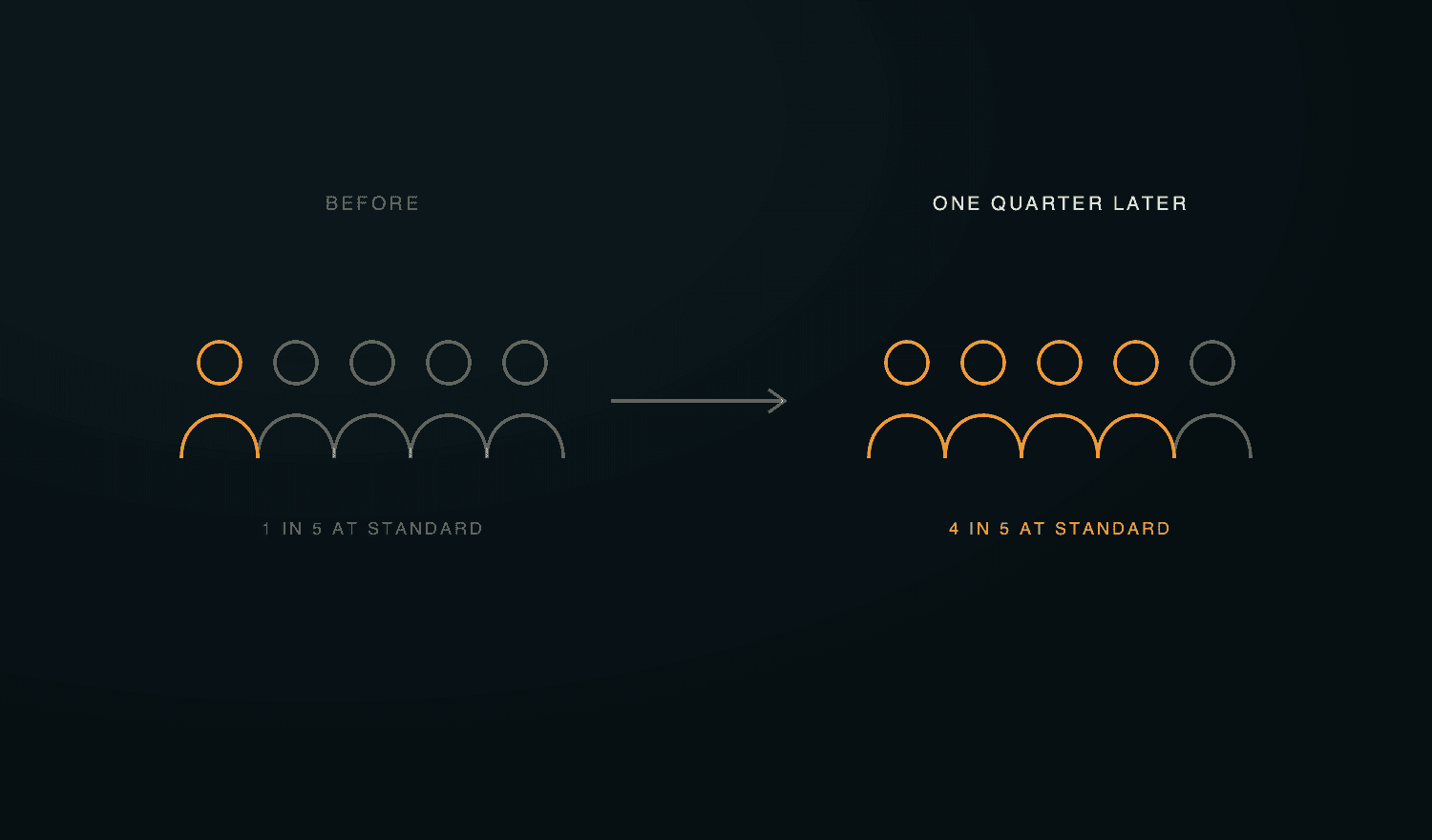
Allwyn is a good example. Their field team works with lottery retailers across the country. The challenge was coaching 200 reps who are on the road, not in a room. After a quarter of practice with Rory, the share of reps at coaching standard went from 1 in 5 to 4 in 5, with 65% faster ramp and 3 in 4 reps practicing (Allwyn story).
Retail and FMCG scenarios that matter:
The store manager who's too busy. Get the one ask across in ninety seconds.
"We don't have shelf space." Make the case with the retailer's own numbers.
The promotion sell-in. Explain the mechanic clearly and get commitment.
The compliance check. Point-of-sale rules, age checks, licensing. Said correctly, every time.
The unhappy retailer. A delivery went wrong. Fix the relationship before the sale.
See SecondBody for FMCG and field sales training for the wider field setup.
How does AI roleplay training work for professional services?
In professional services, AI roleplay trains consultative conversations: a partner or consultant meeting a prospective client, finding the real problem, and scoping work without pitching too early. It suits firms where the people selling were hired as experts, not salespeople, and have never had sales training.
The pattern here is almost the opposite of SDR cold calling. The expert knows too much. They hear a client's problem and jump straight to the answer, because that's what they're paid for. But the client hasn't finished explaining, and hasn't agreed that it's worth paying to fix. AI roleplay lets them practice holding back.
Scenarios for professional services:
The first meeting. The client describes a problem vaguely. Can the consultant get to the cost and the priority?
The scope creep. The client keeps adding "while you're at it." Can the consultant name it kindly?
The fee conversation. "Your rates are higher than the other firm." Hold the value.
The referral ask. Asking a happy client for an introduction, without awkwardness.
The cross-sell. Spotting a need outside your own practice area and bringing in a colleague.
Score these on questions asked and listening, not on how well the consultant explained their expertise. For the method, see discovery calls: perfect your pitch.
How does AI roleplay training work for financial services and insurance?
In financial services and insurance, AI roleplay trains advisers and sales reps to explain products clearly, handle trust objections, and say required disclosures correctly, against personas who range from nervous first-time buyers to business owners comparing quotes. Scoring checks compliance language as closely as persuasion.
Scenarios that come up again and again:
"We already have an adviser." Loyalty and trust. Don't attack. Ask.
"How do I know you're not just selling me something?" Transparency and plain language.
The comparison quote. "The other provider is cheaper." Explain what's different in cover or service.
The disclosure moment. Risks, fees and terms said fully and clearly.
The renewal save. A client thinking of leaving at renewal.
Regulated wording should be approved before it goes into a scenario, the same as in pharma. See SecondBody for finance and our trust center for the security side.
How does AI roleplay training work for B2B SaaS sales teams?
In B2B SaaS, AI roleplay trains cold calls, discovery, demos, qualification and multi-threading, scored against MEDDIC, SPIN or your own framework. SaaS teams tend to adopt it fastest because their reps already live on calls and their managers already have a methodology to score against.
Where SaaS teams get the most out of it:
SDR cold calls. Short, daily, high volume. See cold calling training.
Demo practice. A buyer who says "just show me the product" at minute one. Can the rep qualify first?
Qualification. Finding the metrics, the economic buyer and the decision process before the demo.
Multi-threading. Bringing a second and third stakeholder into the deal.
Renewals and expansion. For customer success teams, see AI sales training for customer success managers.
Cyera, a cybersecurity company, is one of the SaaS teams using SecondBody for SDR practice. Our AI sales roleplay scenarios guide covers the demo and qualification drills in detail.
How does AI roleplay work for field service and manufacturing sales?
In field service and manufacturing, AI roleplay trains technicians and sales reps who meet customers on site: the upsell after a service visit, the contract renewal at the loading bay, the technical buyer who wants specs, not stories. Practice happens on the phone, in the van, before the visit.
Rentokil is the clear example here. Their field teams got 16 hours of roleplay per rep in under three weeks, with zero days taken off the road, and every manager backed the investment (Rentokil story). The practice fit around the work instead of replacing it.
Scenarios that fit:
The on-site upsell. Spotting a problem during a visit and raising it without sounding pushy.
The renewal at the door. A customer who's been fine and doesn't see why they need to renew at the same price.
The technical buyer. Answers with specs and standards, not adjectives.
The price comparison. A local competitor quoted less.
See SecondBody for manufacturing and SecondBody for field sellers.
Does AI roleplay training work for SMBs?
Yes. Small teams often get more from AI roleplay than large ones, because they have no enablement team and the founder or sales lead is too busy to run practice. The AI does the drilling. The leader reads a short summary. A team of five can be set up the same week.
What changes for smaller teams:
Fewer scenarios. Five core ones are enough to start.
Faster setup. Upload your objection list and a couple of calls. Skip the long workshop.
Transparent price. SMBs need to know the cost before a call. SecondBody's plans are public: $75/month or $750/year, with custom plans for teams (pricing).
The founder's calls. Record how the founder handles the hardest objection, and turn it into practice for everyone else.
What should an industry-specific AI roleplay persona include?
An industry-specific persona needs a role, a setting, a time limit, a priority, a vocabulary and a set of rules the rep must follow. Get those six right and the buyer sounds like someone your reps actually meet. Get them wrong and reps spot the fake in the first ten seconds.
Take a theatre manager in a hospital as the example:
Role. Theatre manager in a busy NHS trust, 15 years in the job.
Setting. Between lists, standing in a corridor, pager on.
Time limit. Four minutes, and she'll say so.
Priority. Theatre efficiency and staff time, not the device's features.
Vocabulary. Lists, turnover, sterile services, procurement framework.
Rules for the rep. Only approved claims. No comparisons without data. Offer clinical evidence through the proper channel.
The same six fields work for a pharmacist, a store manager, a CFO or an angry caller. Write them down once per persona and your library stays consistent as it grows. The best source for the details is your own top reps. Ask them who they meet, what those people care about and what they say when they're about to say no. Then build the persona from their answers, not from a vendor's template.
How do you roll out AI roleplay in a regulated industry?
Roll out AI roleplay in a regulated industry in four steps: get compliance to approve scenario scripts and scoring, check data handling and security with IT, pilot with a small group on one number, then expand with a written cadence. Skipping the first two is what slows most regulated rollouts down later.
Compliance sign-off. Scenarios, approved claims and the scoring rubric reviewed before launch.
Security review. What's recorded, where it's stored, how long it's kept. SecondBody is SOC 2 Type II with SSO and custom retention controls.
A small pilot. Ten new joiners, two weeks, one number. This is how most of our customers start.
A written cadence. Who practices when, what managers review, what "ready" means.
The questions buyers ask us most in regulated sectors are about recording, data processing agreements and SSO. Have those answers ready before the pilot, not after.
FAQ: AI roleplay training by industry
Can one AI roleplay platform work across different industries?
Yes, if it lets you build your own personas, objections and scoring. The platform is shared. The scenarios have to be yours.
How does AI roleplay handle medical or legal terminology?
Good platforms learn it from your materials: product sheets, approved claims, objection libraries, calls. Test it in the demo with your hardest real conversation.
Is AI roleplay safe for pharma compliance?
It's safer than practicing on real HCPs. Scripts and scoring should be approved by your compliance team, and the platform should meet your security standards.
Can AI roleplay train contact center agents and sales reps on the same platform?
Yes. The call types differ, but the loop of practice, score and retry is the same.
How long does it take to set up industry-specific scenarios?
A first scenario can be live the same day. A full library for one team usually takes a week or two, mostly waiting on compliance review.
Does AI roleplay work in languages other than English?
With SecondBody, yes. Rory coaches in 12+ languages with the same scenarios and scoring for every region.
Which industries does SecondBody work with?
Field and inside teams in healthcare and medical, retail and FMCG, field services, parking and facilities, cybersecurity and SaaS, and financial services. See our customer stories.
What does SecondBody cost for industry teams?
$75/month or $750/year per plan, with 120 minutes of roleplay and 60 minutes of coaching with Rory each month. Teams and Enterprise plans are custom, with a dedicated customer success manager. See pricing.
How we know this: the industry scenarios here come from SecondBody rollouts in healthcare, retail, field services and SaaS, from the published customer stories linked above, and from the questions buyers search, pulled from our Search Console data in September 2026. Pharma and financial compliance notes are general. Your compliance team has the final say.
Your buyers aren't generic. Your practice shouldn't be either.
Every industry has its own version of the moment the stomach drops. The surgeon who asks for evidence you can't quite remember. The store manager who says no before you've finished. The caller who's angry before you've said hello. Reps don't freeze because they're unprepared in general. They freeze because they've never rehearsed that exact moment, with that exact person, out loud.
So build the five scenarios your sector actually runs on. Get compliance to sign them off. Then practice them every day until the answer shows up on its own. If you want a coach who calls your reps on their phone and tells you who's ready for the field, see SecondBody pricing or book a demo.
Good luck out there.
AI roleplay training by industry means practicing sales conversations against an AI buyer who talks, objects and thinks like the buyers in your sector: a theatre manager asking for clinical evidence, a pharmacist with four minutes, a store manager guarding shelf space, a contact center caller who's already angry. The platform can be the same across industries. The scenarios, words and rules can't. This guide covers how AI roleplay works in medical device, pharma, contact centers, retail, professional services, financial services and B2B SaaS.
Key answers, up front
Best AI sales roleplay platform for 50 new medical device reps: one that runs voice practice on a phone, uses clinical objections from your own field, scores compliant language, and gives managers a readiness view. SecondBody fits that brief, with SOC 2 Type II and 12+ languages.
How does AI roleplay work for pharma sales? Reps rehearse short HCP conversations against personas who ask about evidence, side effects and access, scored on accuracy and on staying inside approved claims.
AI roleplay for contact centers: high-volume practice on calls that repeat, like complaints, cancellations and upsells, so new agents handle day one like week six.
AI roleplay for retail: store-level conversations practiced on the phone between visits. Allwyn moved from 1 in 5 to 4 in 5 reps at coaching standard in a quarter.
AI roleplay for professional services: consultative scenarios where the rep must ask, not pitch, often with partners who have never been sales trained.
AI roleplay for B2B SaaS: demo, qualification and multi-threading practice, scored against MEDDIC or SPIN.
This is a cluster article. The hub is our guide to AI sales roleplay training. For objection and cold call drills that work in any sector, see AI sales roleplay scenarios. For the tool shortlist, see AI sales roleplay tools.
Why does AI roleplay need to be industry-specific?
AI roleplay needs to be industry-specific because reps learn the conversation they rehearse. A medical device rep who practices with a generic "IT buyer" learns to answer questions no surgeon will ever ask. The skill transfers only when the buyer, the words and the stakes match the real job.
Here's something worth saying plainly. We build an AI sales coaching platform, and the single biggest reason rollouts fail in regulated and specialist industries isn't the AI. It's a generic scenario library. Reps try it once, hear a buyer who doesn't sound like their buyers, and decide the whole thing is a toy. They're right.
What changes by industry:
The buyer. Clinicians, pharmacists, store managers, CFOs, homeowners. Each has different time, patience and vocabulary.
The rules. What a rep can and can't say. In medical and financial sales, one wrong claim is a compliance problem, not just a lost deal.
The setting. A contact center agent is on a headset. A field rep is in a car park. The practice has to fit where the work happens.
The objections. "Show me the evidence" in medtech. "We don't have shelf space" in retail. "We already have an adviser" in financial services.
The rest of this guide goes sector by sector.
What is the best AI sales roleplay platform for training 50 new medical device reps fast?
For a large medical device cohort, pick a platform that runs voice roleplay on a phone, builds scenarios from your clinical objections, scores compliant language, and shows managers who is ready for the field. The goal isn't just speed. It's getting 50 reps safely in front of clinicians without a manager sitting in on 50 sets of practice calls.
That exact question shows up in our search data almost word for word: "we have 50 new sales reps joining our medical device team and need them trained fast." So here's how we'd run it.
Week 1: product and clinical basics, spoken out loud
Reps explain the product to an AI persona playing a curious but junior nurse. Simple questions. The point is getting reps to say the words out loud, correctly, many times. Knowing the product on paper and explaining it under pressure are different skills.
Week 2: the core clinical objections
The persona becomes a skeptical consultant or theatre manager. "What's the evidence?" "Why change what works?" "What does this cost the trust?" Reps practice each objection until they pass three times in a row.
Week 3: compliant language under pressure
Scenarios push reps toward claims they're not allowed to make. The buyer asks about an unapproved use, or asks the rep to compare against a competitor without data. Scoring checks whether the rep stays inside approved messaging. Better to slip here than in a hospital corridor.
Week 4: the full call, then the field
Full conversations, from introduction to next step, at higher difficulty. Reps who hit the readiness threshold go into the field. Reps who don't get targeted scenarios for another week. Managers see the list without running a single session.
This is the brief we built SecondBody for in healthcare. GBUK, a medical supplier, used it for cold-call practice: consistent users reached 8 to 10 out of 10 against about 6 for those who didn't, and managers got back roughly a week a month (GBUK story). See SecondBody for healthcare and medical for the sector setup.
How does AI roleplay work for medical reps?
For medical reps, AI roleplay plays the clinician, procurement lead or theatre manager the rep is about to meet, raises the objections that sector actually hears, and scores both what the rep said and whether it stayed within approved claims. Sessions are short, spoken and done on a phone between visits.
Common medical rep scenarios:
The five-minute corridor conversation. A consultant stops for a moment. Can the rep make the point and earn a proper meeting?
"Show me the evidence." Can the rep reference the right data accurately, without overstating it?
The value analysis committee. A procurement-led panel focused on cost per procedure. Different buyer, different language.
The in-service. Training nurses on the product. Clarity and patience, not persuasion.
The unhappy customer. A clinician who had a bad experience with a device. Listen first.
The mechanics matter as much as the scenario. Medical reps are on the road. If the practice lives in a desktop portal, it won't happen. That's why Rory calls reps on WhatsApp and phone. There's nothing to log into. Security and data handling for regulated teams are covered on our data trust page.
How does AI roleplay work for pharma sales?
For pharma sales, AI roleplay runs short conversations with personas who play GPs, specialists, pharmacists and practice managers. The rep practices getting a clear message across in a few minutes, answering questions about efficacy, safety and access, and staying strictly within the approved label. Scoring checks accuracy and compliance as well as persuasion.
Pharma is the sector where the gap between knowing and saying is widest. Reps go through weeks of product training. They can pass the exam. Then a GP interrupts in the first thirty seconds with a question about side effects, and the careful answer comes out jumbled. Nothing about the exam trained that moment.
What pharma scenarios should include:
Time pressure. HCP access is short. Scenarios should give reps two to four minutes, not twenty.
Evidence questions. "How does this compare to what I prescribe now?" Answer with approved data only.
Safety questions. Accurate, calm, complete. No minimizing.
Off-label traps. A persona asks about a use outside the label. The right answer is to decline and offer the proper route, such as medical information.
Access and cost. Formulary, prior authorization, what the patient pays.
Pharma rules differ by market. In the US, prescription drug promotion is overseen by the FDA through its Office of Prescription Drug Promotion. In the UK, the industry follows the ABPI Code of Practice (PMCPA). Your compliance team should sign off the scenario scripts and the scoring rubric before launch. That's not a formality. It's what makes practice safe to scale.
We wrote about one pharma team's shift from dashboards to real practice in from dashboard fatigue to pharma sales powerhouse.
How does AI roleplay training work for contact centers?
In contact centers, AI roleplay gives new agents hundreds of practice calls before their first real one, on the call types that repeat every day: complaints, cancellations, billing questions, upgrades. The AI caller can be calm, confused or furious. Scoring checks empathy, accuracy, compliance scripts and resolution.
Contact centers have a problem most sales teams don't: volume and turnover at the same time. New agents arrive in waves, and every wave needs to handle the angry customer on day one. Shadowing helps. Listening to recordings helps a bit. Neither lets the agent actually do it.
Contact center scenarios worth building first:
The cancellation call. Can the agent find the reason and offer the right save, without pressure?
The angry repeat caller. Third call about the same issue. Empathy first, then resolution.
The billing mistake. Accuracy under frustration.
The upsell moment. Spotting a need and offering something useful without sounding scripted.
The compliance script. Required disclosures said clearly and in full, even when the caller is rushing.
Contact center training with AI roleplay simulators works best in short bursts between live calls, or as a warm-up at the start of each shift. Tools in this space came from different directions: some started in contact-center simulation, some in sales coaching. The test is the same. Can the AI caller sound like your callers, and can a team lead see who's ready in one screen?
How does AI roleplay training work for retail?
In retail, AI roleplay trains the conversations that happen on the shop floor and with store managers: selling a range in, handling "we don't have space," upselling at the counter, and running a store visit well. For field teams visiting stores, the practice happens on the phone between visits.
Allwyn is a good example. Their field team works with lottery retailers across the country. The challenge was coaching 200 reps who are on the road, not in a room. After a quarter of practice with Rory, the share of reps at coaching standard went from 1 in 5 to 4 in 5, with 65% faster ramp and 3 in 4 reps practicing (Allwyn story).
Retail and FMCG scenarios that matter:
The store manager who's too busy. Get the one ask across in ninety seconds.
"We don't have shelf space." Make the case with the retailer's own numbers.
The promotion sell-in. Explain the mechanic clearly and get commitment.
The compliance check. Point-of-sale rules, age checks, licensing. Said correctly, every time.
The unhappy retailer. A delivery went wrong. Fix the relationship before the sale.
See SecondBody for FMCG and field sales training for the wider field setup.
How does AI roleplay training work for professional services?
In professional services, AI roleplay trains consultative conversations: a partner or consultant meeting a prospective client, finding the real problem, and scoping work without pitching too early. It suits firms where the people selling were hired as experts, not salespeople, and have never had sales training.
The pattern here is almost the opposite of SDR cold calling. The expert knows too much. They hear a client's problem and jump straight to the answer, because that's what they're paid for. But the client hasn't finished explaining, and hasn't agreed that it's worth paying to fix. AI roleplay lets them practice holding back.
Scenarios for professional services:
The first meeting. The client describes a problem vaguely. Can the consultant get to the cost and the priority?
The scope creep. The client keeps adding "while you're at it." Can the consultant name it kindly?
The fee conversation. "Your rates are higher than the other firm." Hold the value.
The referral ask. Asking a happy client for an introduction, without awkwardness.
The cross-sell. Spotting a need outside your own practice area and bringing in a colleague.
Score these on questions asked and listening, not on how well the consultant explained their expertise. For the method, see discovery calls: perfect your pitch.
How does AI roleplay training work for financial services and insurance?
In financial services and insurance, AI roleplay trains advisers and sales reps to explain products clearly, handle trust objections, and say required disclosures correctly, against personas who range from nervous first-time buyers to business owners comparing quotes. Scoring checks compliance language as closely as persuasion.
Scenarios that come up again and again:
"We already have an adviser." Loyalty and trust. Don't attack. Ask.
"How do I know you're not just selling me something?" Transparency and plain language.
The comparison quote. "The other provider is cheaper." Explain what's different in cover or service.
The disclosure moment. Risks, fees and terms said fully and clearly.
The renewal save. A client thinking of leaving at renewal.
Regulated wording should be approved before it goes into a scenario, the same as in pharma. See SecondBody for finance and our trust center for the security side.
How does AI roleplay training work for B2B SaaS sales teams?
In B2B SaaS, AI roleplay trains cold calls, discovery, demos, qualification and multi-threading, scored against MEDDIC, SPIN or your own framework. SaaS teams tend to adopt it fastest because their reps already live on calls and their managers already have a methodology to score against.
Where SaaS teams get the most out of it:
SDR cold calls. Short, daily, high volume. See cold calling training.
Demo practice. A buyer who says "just show me the product" at minute one. Can the rep qualify first?
Qualification. Finding the metrics, the economic buyer and the decision process before the demo.
Multi-threading. Bringing a second and third stakeholder into the deal.
Renewals and expansion. For customer success teams, see AI sales training for customer success managers.
Cyera, a cybersecurity company, is one of the SaaS teams using SecondBody for SDR practice. Our AI sales roleplay scenarios guide covers the demo and qualification drills in detail.
How does AI roleplay work for field service and manufacturing sales?
In field service and manufacturing, AI roleplay trains technicians and sales reps who meet customers on site: the upsell after a service visit, the contract renewal at the loading bay, the technical buyer who wants specs, not stories. Practice happens on the phone, in the van, before the visit.
Rentokil is the clear example here. Their field teams got 16 hours of roleplay per rep in under three weeks, with zero days taken off the road, and every manager backed the investment (Rentokil story). The practice fit around the work instead of replacing it.
Scenarios that fit:
The on-site upsell. Spotting a problem during a visit and raising it without sounding pushy.
The renewal at the door. A customer who's been fine and doesn't see why they need to renew at the same price.
The technical buyer. Answers with specs and standards, not adjectives.
The price comparison. A local competitor quoted less.
See SecondBody for manufacturing and SecondBody for field sellers.
Does AI roleplay training work for SMBs?
Yes. Small teams often get more from AI roleplay than large ones, because they have no enablement team and the founder or sales lead is too busy to run practice. The AI does the drilling. The leader reads a short summary. A team of five can be set up the same week.
What changes for smaller teams:
Fewer scenarios. Five core ones are enough to start.
Faster setup. Upload your objection list and a couple of calls. Skip the long workshop.
Transparent price. SMBs need to know the cost before a call. SecondBody's plans are public: $75/month or $750/year, with custom plans for teams (pricing).
The founder's calls. Record how the founder handles the hardest objection, and turn it into practice for everyone else.
What should an industry-specific AI roleplay persona include?
An industry-specific persona needs a role, a setting, a time limit, a priority, a vocabulary and a set of rules the rep must follow. Get those six right and the buyer sounds like someone your reps actually meet. Get them wrong and reps spot the fake in the first ten seconds.
Take a theatre manager in a hospital as the example:
Role. Theatre manager in a busy NHS trust, 15 years in the job.
Setting. Between lists, standing in a corridor, pager on.
Time limit. Four minutes, and she'll say so.
Priority. Theatre efficiency and staff time, not the device's features.
Vocabulary. Lists, turnover, sterile services, procurement framework.
Rules for the rep. Only approved claims. No comparisons without data. Offer clinical evidence through the proper channel.
The same six fields work for a pharmacist, a store manager, a CFO or an angry caller. Write them down once per persona and your library stays consistent as it grows. The best source for the details is your own top reps. Ask them who they meet, what those people care about and what they say when they're about to say no. Then build the persona from their answers, not from a vendor's template.
How do you roll out AI roleplay in a regulated industry?
Roll out AI roleplay in a regulated industry in four steps: get compliance to approve scenario scripts and scoring, check data handling and security with IT, pilot with a small group on one number, then expand with a written cadence. Skipping the first two is what slows most regulated rollouts down later.
Compliance sign-off. Scenarios, approved claims and the scoring rubric reviewed before launch.
Security review. What's recorded, where it's stored, how long it's kept. SecondBody is SOC 2 Type II with SSO and custom retention controls.
A small pilot. Ten new joiners, two weeks, one number. This is how most of our customers start.
A written cadence. Who practices when, what managers review, what "ready" means.
The questions buyers ask us most in regulated sectors are about recording, data processing agreements and SSO. Have those answers ready before the pilot, not after.
FAQ: AI roleplay training by industry
Can one AI roleplay platform work across different industries?
Yes, if it lets you build your own personas, objections and scoring. The platform is shared. The scenarios have to be yours.
How does AI roleplay handle medical or legal terminology?
Good platforms learn it from your materials: product sheets, approved claims, objection libraries, calls. Test it in the demo with your hardest real conversation.
Is AI roleplay safe for pharma compliance?
It's safer than practicing on real HCPs. Scripts and scoring should be approved by your compliance team, and the platform should meet your security standards.
Can AI roleplay train contact center agents and sales reps on the same platform?
Yes. The call types differ, but the loop of practice, score and retry is the same.
How long does it take to set up industry-specific scenarios?
A first scenario can be live the same day. A full library for one team usually takes a week or two, mostly waiting on compliance review.
Does AI roleplay work in languages other than English?
With SecondBody, yes. Rory coaches in 12+ languages with the same scenarios and scoring for every region.
Which industries does SecondBody work with?
Field and inside teams in healthcare and medical, retail and FMCG, field services, parking and facilities, cybersecurity and SaaS, and financial services. See our customer stories.
What does SecondBody cost for industry teams?
$75/month or $750/year per plan, with 120 minutes of roleplay and 60 minutes of coaching with Rory each month. Teams and Enterprise plans are custom, with a dedicated customer success manager. See pricing.
How we know this: the industry scenarios here come from SecondBody rollouts in healthcare, retail, field services and SaaS, from the published customer stories linked above, and from the questions buyers search, pulled from our Search Console data in September 2026. Pharma and financial compliance notes are general. Your compliance team has the final say.
Your buyers aren't generic. Your practice shouldn't be either.
Every industry has its own version of the moment the stomach drops. The surgeon who asks for evidence you can't quite remember. The store manager who says no before you've finished. The caller who's angry before you've said hello. Reps don't freeze because they're unprepared in general. They freeze because they've never rehearsed that exact moment, with that exact person, out loud.
So build the five scenarios your sector actually runs on. Get compliance to sign them off. Then practice them every day until the answer shows up on its own. If you want a coach who calls your reps on their phone and tells you who's ready for the field, see SecondBody pricing or book a demo.
Good luck out there.
Practice that isn't theatre.
A buyer who doesn't pull punches. Feedback that doesn't fade. A cadence that doesn't need a manager's calendar.


SecondBody is the AI sales roleplay training platform built for the daily practice cadence: voice-first sessions with Rory, your AI coach, who plays the buyer, scores every call, and shows exactly what to fix. Explore pricing or book a demo.
Related reading: AI sales roleplay training, AI sales roleplay scenarios, AI sales roleplay for field sales, pharma sales training.
Share this article